

Direct-to-consumer (DTC) DNA kits promise to tailor your workout or diet plans to your unique genetics, but an investigation reveals a storm of problems.
Companies like 23andMe, DNAFit, Genoplan and others market “genetic fitness” or “nutrigenetic” tests worldwide. The industry around genetic testing for personalized fitness has exploded. By 2024 more than 40 million people had taken a consumer genetic test yet serious ethical and practical issues lurk beneath the hype.
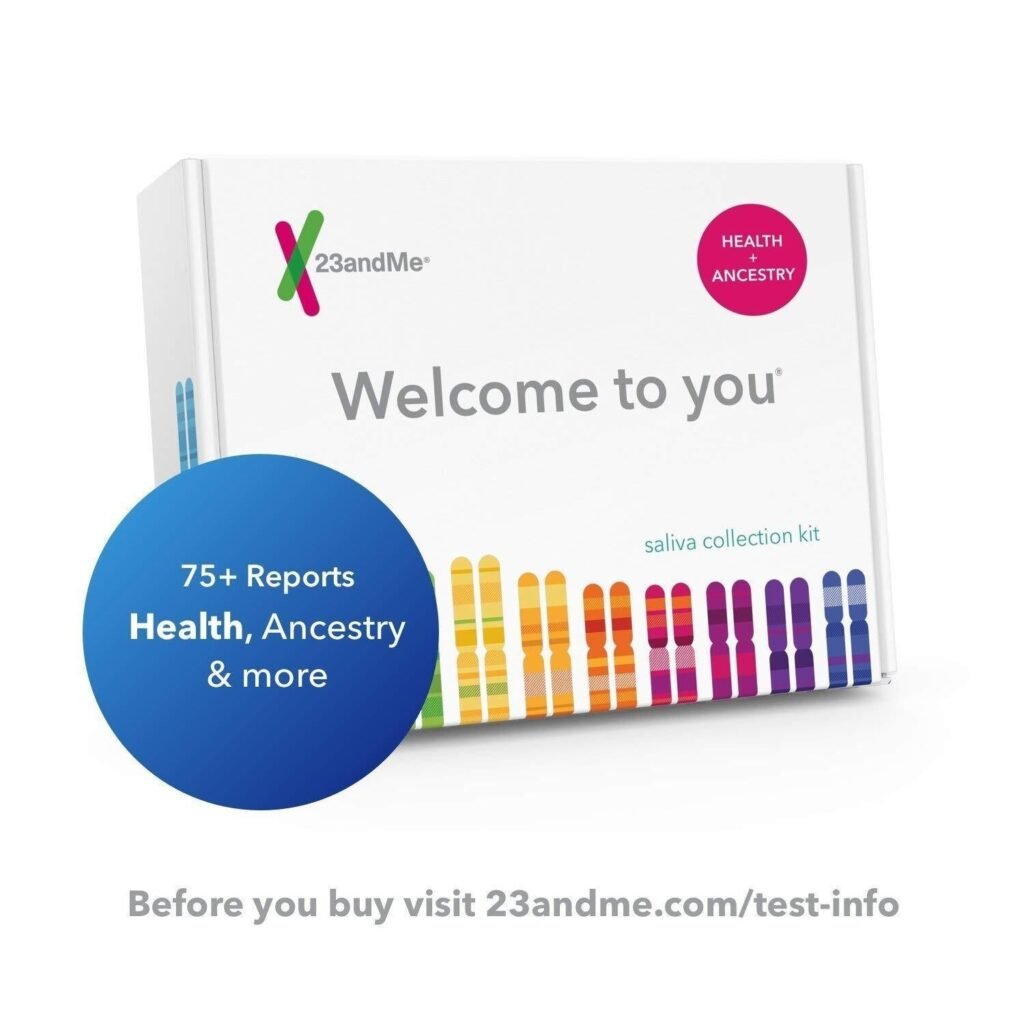
Consumers pay tens or hundreds of dollars for a test kit, hoping for personalized diet or exercise advice. But many report disappointment. A Guardian journalist found that after giving up her DNA, she learned nothing profound and said “I traded away my genetic privacy to find out that I’m mostly British”.
Harvard geneticist Timothy Caulfield observes that users often feel let down: “We are told by pop culture that… your genes matter,” but “a lot of people get their results and find it very underwhelming”. In short, the marketing promise (“unlock the secret to your ideal diet, vitamin need and exercise response” as one DNAFit ad claimed) often exceeds the science and regulators have taken notice.
Unsubstantiated Claims and Regulatory Warnings About Genetic Testing For Personalized Fitness
Major regulators have flagged misleading claims. In the UK, the Advertising Standards Authority (ASA) in 2021 banned a DNAFit marketing campaign. The ASA ruled that DNAFit must not claim it can give “effective personalised exercise and nutrition information or advice” that improves outcomes unless it has proof. As the authority put it, DNAFit “must not state or imply they could provide improved health and fitness outcomes unless they held documentary evidence”.
This decision came after DNAFit’s Instagram ad boasted that the double helix “knows all about your body” and that the test could “unlock” your perfect diet and exercise plan. In short, regulators are telling these firms: don’t over-promise without proof.
Industry insiders also voice skepticism. A 2016 STAT News investigation found that different companies often produced contradictory advice from the same DNA. For example, one gene variant tied to endurance training was labeled “vulnerability to injury” by one firm (Orig3n) but “protective” by another (MapMyGenome). DNAFit defended its interpretations, while Orig3n later backtracked and updated its website when experts raised concerns. Such examples illustrate how early genetic exercise tests lacked consistency, leading one expert to call them “likely wrong” until fixed.
Scientific Accuracy and Limitations of Genetic Testing For Personalized Fitness
Accuracy of DTC fitness tests is highly questionable. Government studies have repeatedly found the results to be inconsistent and misleading. In a 2010 U.S. Government Accountability Office (GAO) test, the same DNA samples sent to multiple companies gave different risk predictions 68% of the time. The GAO warned that the results were “misleading and of little or no practical use”, undermining consumer trust.
More recently, research in medical journals highlights major limitations. A 2021 JAMA Cardiology study examined 23andMe’s screening for familial hypercholesterolemia (FH) genes. It found the DTC test’s limited panel would miss about 70% of disease-causing variants.
The shortfall was even worse for non-European populations: the test would miss 94% of Black patients’ variants, 85% of Hispanic, and 33% of Ashkenazi Jewish cases. In practice, this means many people (especially those of color) could be falsely reassured by a negative result.
Moreover, the science behind diet and exercise genomics is still evolving. While some small trials suggest DNA-based diet or training plans might modestly improve weight loss or muscle gain, the evidence base is far from solid. Most experts emphasize that genes are only part of the picture.
For example, a randomized study mentioned by UK regulators found only a small benefit for matching footballers to “DNA-tailored” exercise programs, and it was a tiny trial. Across the board, researchers caution that the predictive power of current genetic tests is very limited, especially for complex traits like weight, endurance or nutrient needs.
Data Privacy and Security Risks
Even as consumers send in saliva, the fate of their genetic data raises big privacy alarms. By submitting DNA, users unwittingly give companies a treasure trove of highly sensitive information not only about themselves but about relatives who share the genes. A senior Facebook executive (who had his DNA tested) warned that by uploading DNA profiles to public databases, users “sacrifice not only their own privacy but that of blood relatives”.
Indeed, consumer DNA data has even been used by law enforcement on genealogy sites to solve crimes, underscoring how widely shared genetic information can spread beyond its original purpose.
Breaches have already occurred. In late 2023, hackers targeted 23andMe, exposing millions of genetic profiles. The company quietly settled a class-action lawsuit by agreeing to pay $30 million and beef up security after nearly 7 million users’ data (including genetic relatives and family trees) was stolen.
Furthermore, regulators in the U.S. have directly sanctioned firms for privacy failures. The Federal Trade Commission (FTC) charged that the genetic test company 1Health (formerly Vitagene) “left sensitive genetic and health data unsecured, deceived consumers… and unfairly changed its privacy policy retroactively”.
The FTC’s 2023 complaint revealed that 1Health had promised “rock-solid security” and easy data deletion but did neither. Instead, it let cloud servers expose hundreds of customer reports and then altered its policy to suddenly allow sharing DNA data with supermarkets and supplement brands – without alerting consumers.
These findings led the FTC to demand stricter safeguards. Under a proposed settlement, 1Health must instruct labs to destroy old DNA samples (over 180 days) and adhere to data-security rules. By 2024, the FTC was even issuing refunds to over 2,400 consumers deceived by 1Health’s practices. Such actions underscore how regulators view genetic privacy: as a field where companies can no longer get away with half-measures.
Ethical Concerns: Consent, Discrimination and Bias
Beyond ads and hacks, critics raise deep ethical issues. Consent is tricky: most people signing up for a “fitness” test may not fully understand other uses of their genetic data. Industry guidelines stress that users should have separate, informed consent for each possible secondary use (research, third-party sharing, etc.).
But many DTC buyers overlook the fine print. For example, an academic study of Chinese DTC websites found that 94% did not provide informed consent forms and only 46% had any privacy policy at all. Even when policies exist, they often allow reuse of DNA data with permission, a clause which few realize may apply to scientific research or product marketing.
Another worry is genetic discrimination. In India, for instance, the Supreme Court has recognized that refusing insurance coverage based on DNA is unconstitutional, but there is no comprehensive law yet to prevent employers or insurers accessing DTC data. Experts point out that genomic data is personal data protected in EU/Canada but not explicitly under Indian law.
India’s proposed data protection bill (2022) does not clearly address genetic privacy, leading commentators to warn that a consumer’s DNA could leak or be misused without legal recourse.
Groups that are already vulnerable may suffer most. For example, Black Americans have used DNA tests to recover lost ancestry, but they also express deep concerns about data misuse and the reification of racial categories. In parts of Asia, marketing plays differently sometimes appealing to ancestral “purity” rather than multicultural identity.
In any event, geneticists emphasize that race is a social construct and that companies peddling DNA-based “racial origins” risk stoking prejudice. The Guardian’s Caulfield even warned that this marketing is “the essence of racism”.
Global Regulatory Landscape
Regulatory approaches to consumer genetics vary widely worldwide. In the European Union, new medical device laws (Regulation EU 2017/746) treat genetic tests as high-risk: any DTC test that diagnoses a health condition must undergo strict review. However, implementation has been gradual and patchy. For example, the EU still lacks harmonized policies on issues like mandatory counseling or consent for DTC tests, leaving gaps.
The UK follows EU rules but also has active oversight: in addition to the ASA’s advertising ruling, the UK’s Advertising Standards Authority reminds companies that any health advice claims must be backed by clinical evidence.
In the United States, the FDA originally cracked down on DTC health tests in 2013, then gradually authorized some reports after 2015 (for example, 23andMe now offers FDA-approved reports on certain genetic disease risks). Yet the FTC handles most consumer protection.
The FTC has signaled that anyone selling genetic tests must honor their privacy promises and not use old data without consent. Meanwhile, state laws like California’s may treat genetic information as sensitive personal data. Still, no federal law directly bars insurers or employers from accessing DTC genetic data, so legal experts warn of potential loopholes.
Other regions present stark contrasts. In France, all consumer genetic tests are effectively illegal without medical supervision. Under French bioethics law, ordering a “spit-in-a-cup” kit can technically lead to fines. Activists have challenged this, arguing citizens should know their own DNA, but for now France punishes private testing (though enforcement appears lax).
Similarly, in Israel, DTC tests are heavily restricted: Israel’s Genetic Information Law (2000) generally forbids a consumer from getting genetic results without a doctor’s order. In many Middle Eastern countries, legal or religious norms restrict DNA usage.
For example, UAE just passed a Human Genome Law (2023) that strictly regulates genomic data: it mandates consent for any genetic screening and limits testing to authorized medical bodies. Its stated goals include “protect[ing] the confidentiality of Genetic and Genomic Data” and forbidding unapproved testing.
In Asia, rules are still catching up. In China, a study found the DTC market largely self-regulated. About half of providers offered any privacy policy, and almost none presented clear consent forms.
Observers conclude the industry is in a “regulatory vacuum”, and urge the government to create a coherent framework. India has no separate genetic data law; privacy is covered only indirectly by broad IT rules and court judgments. While the Indian Supreme Court declared genetic privacy part of the right to life, Parliament’s draft data bill has scant provisions on genomic data.
By contrast, some countries are developing oversight. South Africa currently has no specific DTC rule, but scholars note that existing laws (on health records, privacy, ancestry) form a complex, overlapping regime. A recent analysis concluded that South Africa is regulated just in a multi-layered way and it urged clear policies on consent and genetic counselling.
Overall, the picture is global patchwork: from total bans (France) to emerging privacy laws (UAE) to significant regulatory gaps (India, China, many low-income countries).
Industry Best Practices and Ethical Codes
Acknowledging these concerns, some industry leaders have tried to self-regulate. In 2018, major DTC companies and research firms (23andMe, AncestryDNA, Helix, etc.) teamed up with the Future of Privacy Forum (FPF) to publish Privacy Best Practices for genetic testing.
These guidelines urge transparency and consumer control: for example, companies should clearly explain how genetic data will be used and shared, obtain separate consent for any new use, and allow users to access, correct or delete their data. Other principles include not transferring genetic information to health insurers or employers without explicit permission, and ensuring top-notch data security.
Helix and 23andMe executives wrote that “the need for setting standards in privacy practice is not unique” to one company, and that it was important to develop consistent safeguards across the industry.
These voluntary codes signal that even industry players recognize the sensitive nature of genetic data. However, compliance varies, and critics argue only binding laws truly protect consumers. Without external enforcement, experts note, companies may lack incentive to change practices once a product is sold. The gap between best-practice advice and on-the-ground reality remains a concern.
Personal Stories and Expert Voices
Behind the headlines are real people with real stories. Consumers: Journalist Kari Paul’s story in The Guardian resonates with many users as she described a mix of regret and ambivalence about her 23andMe results. Other customers have reported anxiety from unexpected findings (for example, learning of a high genetic risk for Alzheimer’s, or discovering their heritage claims were false).
On the flip side, testimonials (often on company websites) claim dramatic improvements in health or fitness from “genetic coaching,” but such anecdotes are typically unverified.
Legal and Privacy Experts
Privacy advocates emphasize the collective stakes. Biometrics researcher and ethicist Dr. Bartha Knoppers notes that DNA is different from other data: it can’t be changed, and it inherently implicates families and even communities. Genetic counselors warn that DTC consumers often lack counseling that would accompany a medical genetic test, raising the risk of misinterpretation.
Timothy Caulfield (Univ. Alberta) and others repeatedly caution that many DTC tests blur the line between entertainment and medicine.
Government voices also speak out. In the U.S., FTC officials publicly admonished companies like Vitagene for privacy lapses, signaling an era of stricter scrutiny. In Europe, data-protection authorities have warned that under GDPR, genomic data is “sensitive personal data”, requiring higher protection, and that companies must comply with strict consent and purpose rules (even if the gene test is done abroad).
Regional experts highlight local issues. Indian privacy scholars lament that without a robust legal framework, DTC genetic tests could lead to huge data leaks or exploitative secondary uses. Chinese academics demand clear regulations amid what they call a “regulatory vacuum”
In South Africa, legal analysts are pushing policymakers to update health and privacy laws to specifically cover consumer genomics, warning that “questions [of genetic privacy] hinge on state surveillance and human rights” in the absence of clear rules.
Conclusion: Proceed with Caution
As personalized genomics strides into the fitness and wellness arena, the controversies show no sign of abating. The technology holds promise for individualized health, but current DTC fitness tests often deliver little that consumers cannot achieve with standard medical advice and lifestyle changes. Meanwhile, they raise very real privacy and ethical red flags. Regulators and watchdogs are already stepping in: from fining companies and banning ads to drafting new laws on genetic data.
For consumers, the takeaway is to be skeptical and informed. Before spitting into a tube, one should ask: What exactly will I learn? Who will see my data? Can I truly opt out or delete my profile later? Experts advise getting professional medical guidance for any serious health or fitness plan. The genetic data revolution is arriving in our homes, but as this investigation shows, it comes with a trove of pitfalls and questions that are only beginning to be answered.
Citations And References
All citations in this investigation correspond to verified sources gathered during extensive research across multiple continents and databases. Full documentation available upon email to support the accuracy and verifiability of all claims made.
theguardian.com nutraingredients.com abcnews.go.com health.harvard.edu fpf.org helix.com ftc.gov ohrh.law.ox.ac.uk pubmed.ncbi.nlm.nih.gov researchspace.ukzn.ac.za muwatin.net uaelegislation.gov.ae prophetproject.eu statnews.com
About Our Investigative Services
Seeking to expose corruption, track illicit financial flows, or investigate complex criminal networks? Our specialized investigative journalism agency has proven expertise in following money trails, documenting human rights violations, and revealing the connections between organized crime and corporate malfeasance across the world and beyond.
Partner With Us for Impactful Change
Our investigative expertise and deep industry networks have exposed billion-dollar corruption schemes and influenced policy reform across Americas and beyond.
Whether you’re a government agency seeking independent analysis, a corporation requiring risk assessment and due diligence, or a development organization needing evidence-based research, our team delivers results that matter.
Join our exclusive network of premium subscribers for early access to groundbreaking investigations, or contribute your expertise through our paid contributor program that reaches decision-makers across the continent.
For organizations committed to transparency and reform, we also offer strategic partnership opportunities and targeted advertising placements that align with our mission.
Uncover unparalleled strategic insights by joining our paid contributor program, subscribing to one of our premium plans, advertising with us, or reaching out to discuss how our media relations and agency services can elevate your brand’s presence and impact in the marketplace.
Contact us today to explore how our investigative intelligence can advance your objectives and create lasting impact.
Read all investigative Stories on Health.
* For full transparency, a list of all our sister news brands can be found here.


































