

The 'Software-Defined' Trap: Rushed Development of the Fisker Ocean
The ‘Asset-Light’ Mirage and the Digital Quagmire
Fisker Inc. pitched itself to Wall Street not as a car company, as a technology platform. The core of this pitch was the “asset-light” business model, a strategy designed to avoid the capital-intensive hell that nearly bankrupted Tesla. By outsourcing manufacturing to Magna Steyr in Graz, Austria, Henrik Fisker believed he could focus on design and software, the high-margin components of the modern electric vehicle. This division of labor created a fatal blind spot. While Magna delivered a mechanically sound chassis, Fisker Inc. assumed full responsibility for the vehicle’s digital brain. The company underestimated the complexity of integrating dozens of Electronic Control Units (ECUs) from different suppliers into a “Software-Defined Vehicle” (SDV). Instead of a revolutionary product, they delivered a disjointed system where the software constantly fought against the hardware.
The SPAC Countdown: Speed Over Stability
The timeline for the Fisker Ocean was dictated by financial engineering rather than engineering readiness. Following its merger with Spartan Energy Acquisition Corp. in 2020, Fisker Inc. faced immense pressure to begin deliveries by late 2023 to satisfy investors and recognize revenue. This accelerated schedule forced the development team to bypass standard automotive validation pattern. In a traditional timeline, software is frozen and tested for months before a single customer receives a key. Fisker chose a different route. They adopted a “release candidate” mentality common in Silicon Valley dangerous in automotive manufacturing. The company decided to ship vehicles with incomplete software, banking on the pledge of Over-the-Air (OTA) updates to finish the car after it was already in the customer’s driveway.
The Fragmentation of the Software Stack
The Ocean’s architecture relied on a complex web of suppliers, with Magna supplying the serious Vehicle Control Units (VCU) and Motor Control Units (MCU). yet, Fisker’s internal team was responsible for the overarching software that commanded these units. This integration proved disastrous. The software stack absence a unified kernel, leading to race conditions where different modules would send conflicting commands to the vehicle’s hardware. Early internal reports indicated that the VCU would frequently lose communication with the rest of the car, triggering a “safe mode” that cut power to the motors. Rather than delaying the launch to rewrite the core architecture, executives pushed forward, treating these catastrophic faults as patchable bugs.
The ‘Digital Radar’ Gamble
the integration chaos was Fisker’s decision to use unproven technology to claim a “world’s ” title. The Ocean was the production vehicle to use digital imaging radar supplied by the startup Uhnder. While theoretically superior to analog radar, the technology was immature. Integrating this sensor data into the Advanced Driver Assistance Systems (ADAS) required sophisticated sensor fusion algorithms that Fisker had not fully developed. Consequently, the expensive hardware was useless at launch. The decision to use non-standard hardware meant that off-the-shelf software solutions from established Tier 1 suppliers could not be easily adapted, forcing Fisker’s small team to write custom drivers for safety-serious systems under an impossible deadline.
Shipping the ‘Minimum Viable Product’
By November 2023, as the significant batch of Oceans reached US shores, the software was in a pre-alpha state. The vehicles were delivered without basic features that had been standard on economy cars for a decade. Cruise control, lane-keeping assist, and blind-spot monitoring were absent. The “California Mode,” a signature feature that lowered all windows simultaneously, frequently jammed, leaving the cabin exposed to the elements. Customers essentially paid $70, 000 for a beta test. The company attempted to spin this as a feature of the SDV model, claiming the car would “improve over time.” In reality, the car was unfinished. The “Ocean OS 1. 0” software was so unstable that it could not reliably install its own updates, requiring technicians to physically visit customers to unbrick vehicles that had failed an OTA attempt.
The 12-Volt Vampire
The most immediate and debilitating symptom of the software failure was the mismanagement of the 12-volt battery system. In an electric vehicle, the high-voltage pack powers the motors, a standard 12-volt battery runs the computers, lights, and locks. The Ocean’s software failed to allow the car to enter a deep sleep mode. Background processes, phantom sensor readings, and the always-on cellular connection drained the 12-volt battery while the car was parked. Once the 12-volt battery died, the high-voltage contactors could not close, rendering the massive 113 kWh battery useless. Owners found themselves locked out of their dead vehicles, as the electronic door latches also relied on this 12-volt circuit. This “vampire drain” was not a hardware defect a software loop that never closed, a direct result of rushed coding and insufficient regression testing.
Key Fob Chaos
The user interface failures extended to the most basic interaction: entering the car. The key fob, designed to use Near Field Communication (NFC) and Bluetooth Low Energy (BLE), was plagued by software latency. Drivers would press the unlock button and wait ten to twenty seconds for the car to respond. frequently, the car would not wake up at all. The software logic governing the sleep-wake pattern was too aggressive in trying to save power (to combat the vampire drain), making the car deaf to the key fob’s signal. This resulted in a humiliating ritual for owners who had to press the fob against the door handle or use a mechanical emergency key to access their luxury SUV. Fisker’s response was to suggest changing the fob battery, a deflection that ignored the underlying code defects.
Denial from the Top
When early reviews and reports began to surface regarding these defects, the corporate response was hostile. In May 2023, following a report by Bloomberg detailing software glitches and a car that was returned to the factory, Henrik Fisker dismissed the coverage as a “garbage article.” This defensive posture set the tone for the company’s handling of the emergency. Instead of acknowledging the severity of the software immaturity, leadership characterized the problems as minor “teething problem.” This denial prevented the company from allocating the necessary resources to a “stop-ship” order that might have saved the brand’s reputation. They continued to deliver defective units to recognize revenue, poisoning their own well.
The Financial Toll of Software Debt
The decision to rush the software created a massive financial liability that the “asset-light” model could not absorb. Because Fisker did not own the service infrastructure, every software failure required third-party intervention or expensive mobile service visits. The cost of manually updating bricked cars, replacing dead 12-volt batteries, and diagnosing phantom warnings exploded. The warranty reserve funds were rapidly depleted by software-induced hardware replacements. also, the inability to recognize full revenue on vehicles delivered with “missing features” complicated the company’s accounting, as accounting standards frequently require deferring revenue for undelivered functionality. The software debt had become financial debt.
Setting the Stage for Brake Failure
The chaotic software environment described above did not just affect the radio or the windows; it infected the safety-serious systems. The same Vehicle Control Unit (VCU) struggling to manage the 12-volt battery and the door locks was also responsible for blending the regenerative braking with the friction brakes. The instability in the VCU’s communication bus meant that the braking commands were subject to the same latency and errors as the infotainment system. While a lagging touchscreen is an annoyance, a lagging brake controller is a hazard. This widespread software rot laid the groundwork for the braking failures that would trigger NHTSA investigations and seal the company’s fate.

Regenerative Braking Failure: The 'Bump' Glitch and Deceleration Loss
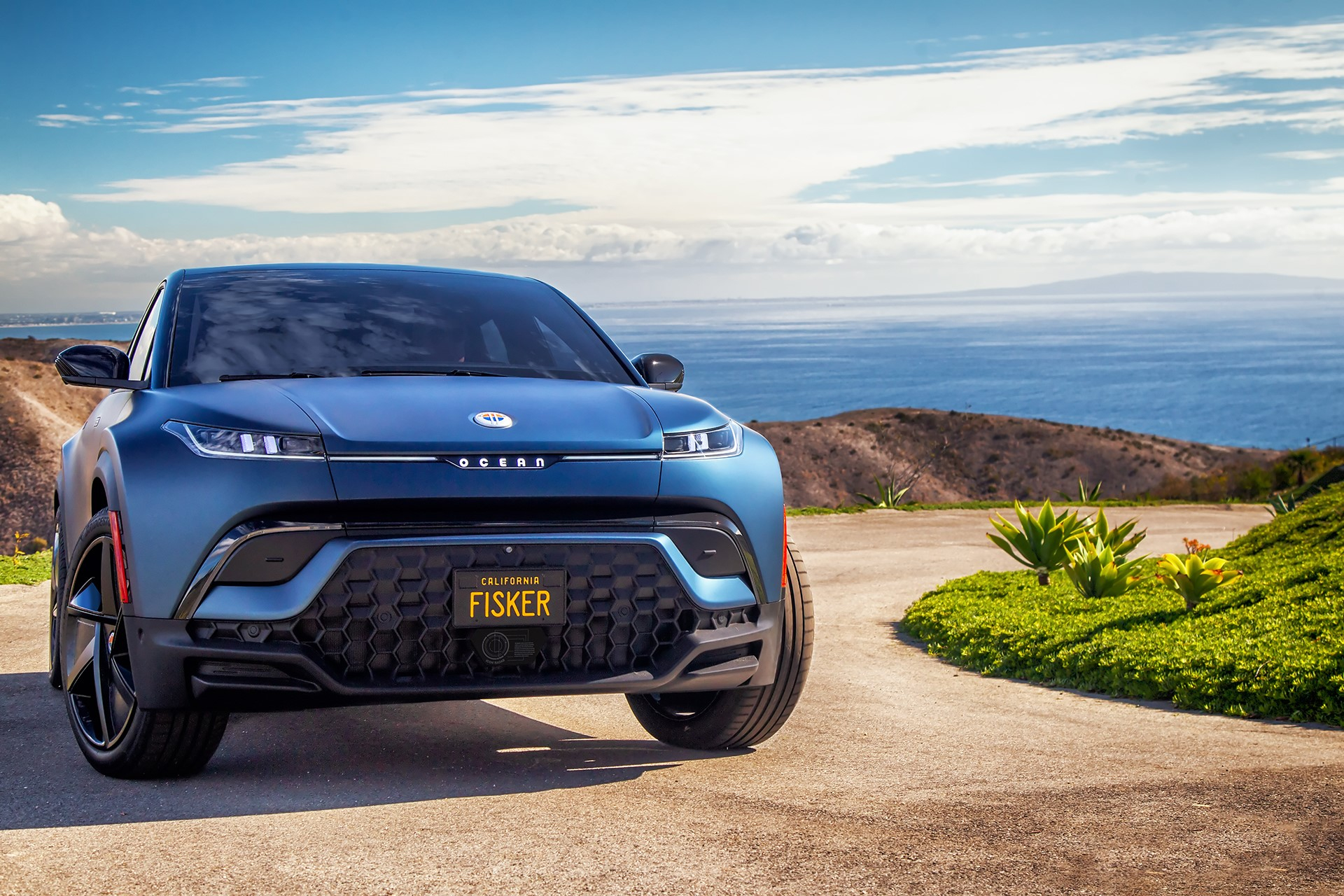
Phantom Braking: Inadvertent Automatic Emergency Braking Activation
The Terror of the Invisible Wall
The most dangerous defect in the Fisker Ocean was not its inability to start or its tendency to lose power. It was the vehicle’s propensity to stop. Drivers traveling at highway speeds reported a terrifying phenomenon where the Automatic Emergency Braking (AEB) system would engage with maximum force without any obstruction present. This defect, known in the industry as “phantom braking,” transformed the vehicle into an unpredictable hazard. A driver cruising at 70 miles per hour on a clear interstate would suddenly find themselves thrown against their seatbelt as the car slammed on its brakes. The sensors perceived a wall where there was only empty asphalt. This failure mode presents a higher lethality risk than almost any other defect because it creates an immediate collision vector for trailing traffic.
The psychological toll on owners was immediate and severe. Drivers reported being afraid to use cruise control or even drive the car in heavy traffic. The trust required to operate a two-ton vehicle at speed evaporates when the machine demonstrates a to stop that contradicts physical reality. Complaints filed with the National Highway Traffic Safety Administration (NHTSA) described near-misses with semi-trucks and rear-end collisions that were narrowly avoided only by the reflexes of other motorists. The Ocean did not just fail to operate. It actively intervened to endanger its occupants.
NHTSA Investigation PE24013
Federal regulators recognized the severity of this defect in May 2024. The NHTSA Office of Defects Investigation (ODI) opened Preliminary Evaluation PE24013 to examine the inadvertent activation of the AEB system. The investigation covered approximately 6, 813 vehicles from the 2023 model year. This probe was distinct from the earlier investigation into braking loss. Here the agency focused on the car braking too much rather than too little. The ODI received reports alleging that the AEB system activated without any apparent roadway obstruction. These activations resulted in sudden deceleration or complete stops. The data showed that these incidents occurred across various speeds and conditions. happened in city traffic. Others occurred on open highways.
The investigation highlighted a catastrophic failure in the vehicle’s perception stack. The AEB system is designed to be the last line of defense against a crash. It must be conservative enough to prevent accidents yet precise enough to ignore shadows,, or overhead signs. The Fisker Ocean failed this balance. The complaints alleged three injuries resulting from these sudden stops. The existence of injuries elevated the investigation from a matter of consumer annoyance to a priority safety defect. The agency demanded data from Fisker regarding its sensor calibration and software logic. The timing of this investigation was disastrous for the company. It launched just weeks before the Chapter 11 filing. This coincidence meant that the regulatory scrutiny intensified exactly as the corporate resources to address it.
The Failure of the “Digital Radar”
Fisker marketed the Ocean as a technological marvel equipped with the “world’s digital radar.” This component was part of the FI-Pilot Advanced Driver Assistance System (ADAS). The company claimed that this digital radar offered higher resolution and better object detection than the analog radar systems used by competitors. This marketing claim became a liability. The integration of a sensor technology into a rushed vehicle program created a high probability of integration errors. Sensor fusion is the complex process of combining data from cameras and radar to create a coherent model of the world. If the digital radar reports an obstacle that the cameras do not see, the software must decide which sensor to trust. The reports of phantom braking suggest that the system defaulted to a false positive state.
The decision to use unproven hardware in a debut vehicle reflects the broader hubris of the Fisker Ocean program. Established automakers spend years validating new sensor suites before releasing them to the public. Fisker attempted to integrate a new radar system while simultaneously building its entire software architecture from scratch. The result was a system that hallucinated obstacles. The digital radar likely detected “ghost” returns from overhead overpasses or metal road signs. A mature software stack would filter these out as non-threats. The immature software in the Ocean interpreted them as imminent collisions. This failure was not just a bug. It was a fundamental flaw in the systems engineering process.
Software Updates and the Illusion of a Fix
Fisker attempted to address the ADAS failures through Over-the-Air (OTA) software updates. The company released Ocean OS 2. 0 in early 2024 with pledge of improved key fob performance and bug fixes. Owners hoped this update would resolve the phantom braking. It did not. Reports of inadvertent AEB activation even after vehicles received the latest software. This persistence indicates that the problem was deep within the perception algorithms or the sensor hardware itself. A simple parameter tune was insufficient to stop the car from seeing ghosts. The company promised further updates. They assured owners that the ” ” version would solve the problem. These pledge became a recurring theme. The software team was fighting a losing battle against a hardware configuration that may have been fundamentally difficult to calibrate.
The reliance on OTA updates as a crutch for incomplete engineering is a hallmark of the “software-defined vehicle” era. Fisker abused this model. They shipped a car with a safety system that was in beta testing. The customers were the test subjects. When the brakes slammed on at 70mph, the driver was experiencing a validation failure that should have occurred on a proving ground. The company treated the braking system as an app that could be patched later. This method ignores the physical reality of automotive safety. not patch a car that has already been rear-ended.
The Bankruptcy Dead End
The investigation into phantom braking met a sudden and unsatisfactory end. The NHTSA closed PE24013 in January 2025. The agency did not close the file because the car was fixed. They closed it because the company was gone. The closing report noted that Fisker provided incomplete responses to the agency’s information requests. The bankruptcy proceedings in June 2024 halted the flow of technical data. The engineering teams responsible for the AEB system were dismissed in December 2024. There was no one left to answer the regulator’s questions. The agency concluded that the available data did not justify further action at that time. They reserved the right to reopen the matter if new information surfaced.
This closure leaves thousands of Fisker Ocean owners in a perilous position. They own vehicles with a documented history of phantom braking. There is no manufacturer to problem a recall. There is no engineering team to write the software patch that might fix the radar calibration. The cars are “zombies” that continue to operate on public roads without any support. The safety defect is a permanent feature of the vehicle. Owners must decide whether to continue driving a car that might stop unexpectedly or to park it permanently. The resale value of these vehicles has collapsed to near zero. No dealership wants to accept a trade-in that carries a liability for phantom braking. The defect totaled the value of the entire fleet.
The Magna Relationship and Supplier Finger-Pointing
The role of Magna Steyr in this debacle warrants examination. Magna manufactured the Ocean in Graz, Austria. They are one of the most respected contract manufacturers in the world. Yet the integration of the ADAS system was a shared responsibility. Fisker specified the components and owned the software experience. Magna built what they were told to build. The friction between the two companies likely contributed to the slow resolution of defects. When a car is built by a third party the software is controlled by the brand, the lines of accountability blur. Did the radar hardware fail? Or did Fisker’s software misinterpret the signal? In a normal manufacturer-supplier relationship, these disputes are resolved in engineering meetings. In the Fisker collapse, they became reasons for paralysis.
The choice of the ADAS supplier suite was a Fisker decision. The company sought to differentiate itself with high-tech specs. They wanted to claim superior sensing capabilities. This desire for differentiation led them away from off-the-shelf, proven solutions. They chose a route that required extensive custom calibration. They did not have the time or money to perform that calibration. Magna’s role as the assembler did not absolve Fisker of the responsibility for the system’s design. The failure rests with the entity that put the badge on the hood. Fisker signed off on the vehicle as ready for sale. They certified to the federal government that the car met all safety standards. The phantom braking incidents prove that this certification was premature.
Insurance and Liability in the Post-Bankruptcy Era
The existence of the phantom braking defect creates a nightmare for insurance companies. If a Fisker Ocean causes a pile-up on a freeway due to a phantom stop, who is liable? The driver claim the car malfunctioned. The manufacturer no longer exists to be sued. The insurance carrier may be left covering the damages. This risk profile has led insurers to hesitate in writing policies for the Fisker Ocean. The actuarial data shows a vehicle with a high probability of at-fault accidents caused by system error. The cost to insure these vehicles likely skyrocket or coverage may be denied entirely. This is the final insult to the owners. They are trapped in a vehicle that is dangerous to drive, impossible to sell, and difficult to insure.
The phantom braking defect serves as the definitive case study for why automotive startups fail. It is not enough to design a beautiful car. It is not enough to have a clever marketing pitch. You must master the boring, rigorous science of safety engineering. You must ensure that the car does not stop when it should go. Fisker failed this basic test. The phantom braking was not just a glitch. It was the physical manifestation of a company that moved too fast and broke the wrong things.
| Date | Event | Details |
|---|---|---|
| May 8, 2024 | Investigation Opened | NHTSA opens PE24013 to investigate inadvertent AEB activation. |
| June 17, 2024 | Bankruptcy Filing | Fisker Inc. files for Chapter 11, complicating data collection. |
| December 27, 2024 | Staff Dismissal | Remaining Fisker engineering staff dismissed, halting technical responses. |
| January 17, 2025 | Investigation Closed | NHTSA closes probe due to absence of manufacturer support. No recall issued. |
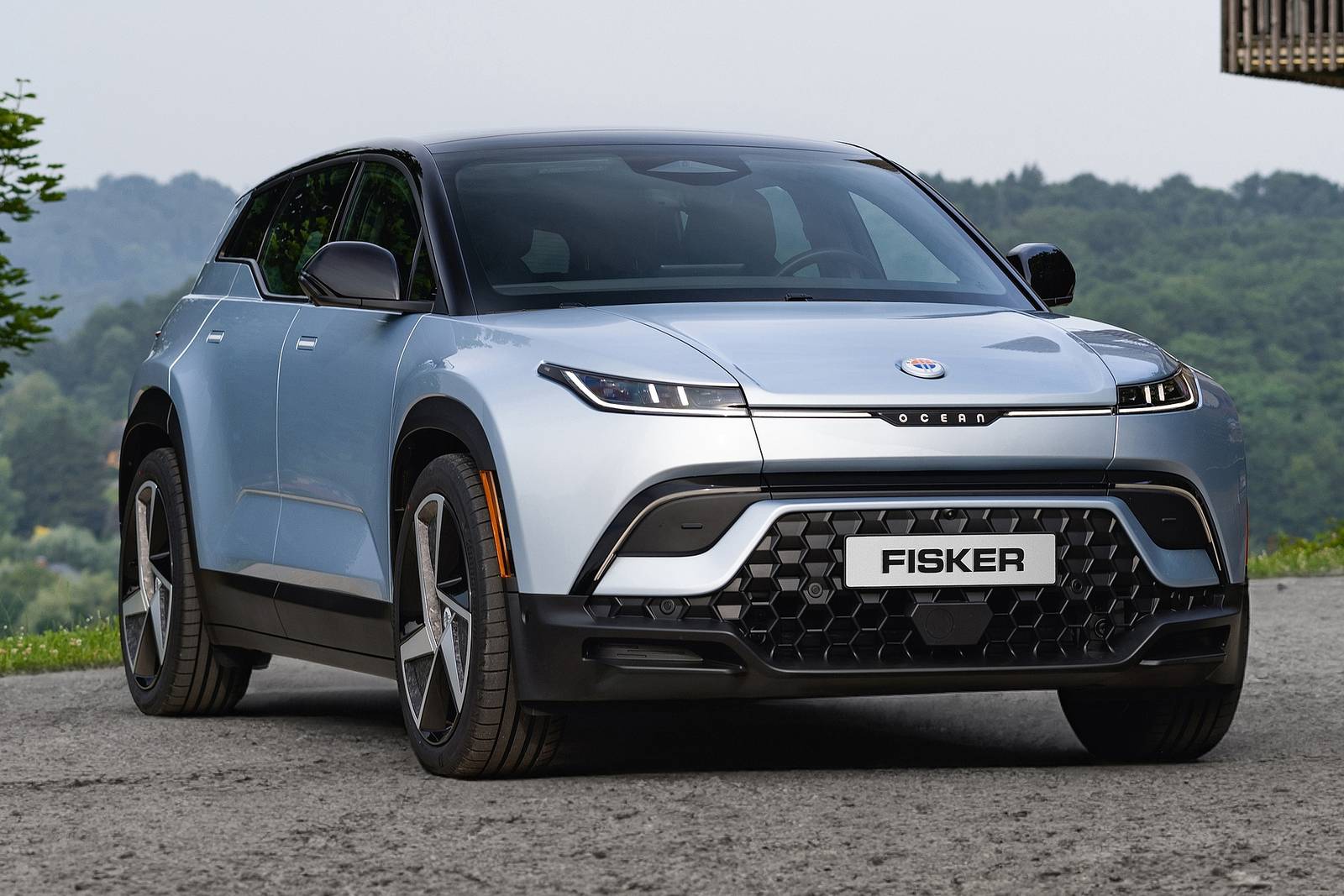
The 12-Volt Vampire: Parasitic Battery Drain Causing Sudden Shutdowns
The Insomniac SUV
The root of the problem lay in the Ocean’s inability to enter a true “sleep” state. Modern electric vehicles must power down non-essential systems when idle to preserve the 12-volt battery. The Ocean, yet, frequently woke up, sometimes every few minutes, to scan for software updates, check cloud connectivity, or respond to phantom signals from its own key fob. Data logs from owners revealed that the vehicle’s onboard computers remained active for hours after the driver walked away. Ambient lighting would inexplicably turn on in empty garages. Cooling pumps would pattern without cause. Each “wake-up” event drew current from the 12-volt battery. In a properly designed EV, the high-voltage pack automatically wakes up to top off the 12-volt battery when it dips a certain voltage threshold. Fisker’s energy management software frequently failed to execute this handshake. The HV battery remained disconnected to save its own charge, while the 12-volt battery was sucked dry by the car’s background processes.
The Bolted Hood Design Failure
When a standard internal combustion car has a dead battery, the driver pops the hood and attaches jumper cables. Fisker engineers, yet, made a decision that turned a minor nuisance into a stranding event: they bolted the hood shut. The Ocean’s hood was not designed for customer access. It featured no release latch inside the cabin. Instead, it was secured by two bolts near the windshield wipers, requiring a specific socket wrench to open. The owner’s manual explicitly stated the hood was a “service-only” area. When the 12-volt battery died, the electronic door latches failed, locking the driver out. Even if they accessed the cabin using the mechanical emergency key, they could not start the car or put it into neutral to tow it. To jump-start the vehicle, stranded owners had to use a flathead screwdriver to pry off plastic trim pieces, then use a socket wrench to unbolt the hood hinges, assuming they had these tools on hand outside the locked car. This design choice forced owners to carry toolkits and portable jump-starters in their bags at all times, as the “frunk” (front trunk) storage did not exist and the rear cargo area was electronically locked.
The Key Fob Connection
The “Vampire” also fed on the key fob itself. The Ocean’s fob used a coin-cell battery that owners reported dying in as little as two weeks. The fob constantly broadcasted a signal searching for the car, and the car constantly listened. If a driver stored their keys within 30 feet of the garage, the vehicle and fob would engage in a ceaseless digital conversation, preventing sleep mode. This proximity handshake was so aggressive that it depleted the fob’s battery and the car’s 12-volt simultaneously. Fisker attempted to mitigate this with the OS 2. 0 software update, which altered the sleep logic, reports of dead fobs and batteries. owners resorted to storing their keys in Faraday pouches (signal-blocking bags) or removing the battery from the fob every night just to ensure their car would start the morning.
Sudden Shutdowns on the Highway
The 12-volt failure was not limited to parked vehicles. The National Highway Traffic Safety Administration (NHTSA) received complaints alleging that the Ocean would shut down while driving. In these instances, the 12-volt system, which powers the power steering, power brakes, and display screens, would collapse. One harrowing report detailed an owner driving on the 405 freeway in Los Angeles when the vehicle completely lost power. The screens went black, and the car decelerated rapidly in traffic. Internal service logs obtained during the bankruptcy proceedings showed that Fisker technicians were aware of these “loss of propulsion” events linked to low-voltage failures. The DC-DC converter, tasked with stepping down high voltage to keep the 12-volt system charged while driving, would occasionally stop functioning due to software communication faults. Once the 12-volt buffer was exhausted, the car’s brain died, and the vehicle stopped dead, regardless of speed or location.
The Failed Software Fixes
Fisker attempted to patch the Vampire drain through Over-the-Air (OTA) updates, specifically versions 1. 11 and 2. 0. These updates claimed to optimize the “sleep” logic and improve the charging frequency of the 12-volt battery. While owners saw improvements, others experienced new glitches. The update process itself was a drain; the car’s lights and computers would stay fully active during the installation, which could take hours. If the 12-volt battery was already weak, the update would fail, bricking the module mid-install. By the time Fisker filed for Chapter 11, the 12-volt problem remained a primary cause of service tickets. The company’s inability to solve a fundamental power management problem—one that legacy automakers and Tesla had solved a decade prior—exposed the immaturity of the Ocean’s electrical architecture. The “Vampire” did not just drain batteries; it drained consumer confidence, leaving owners terrified that their $70, 000 vehicle would fail to unlock, or worse, shut down in the middle of a highway.
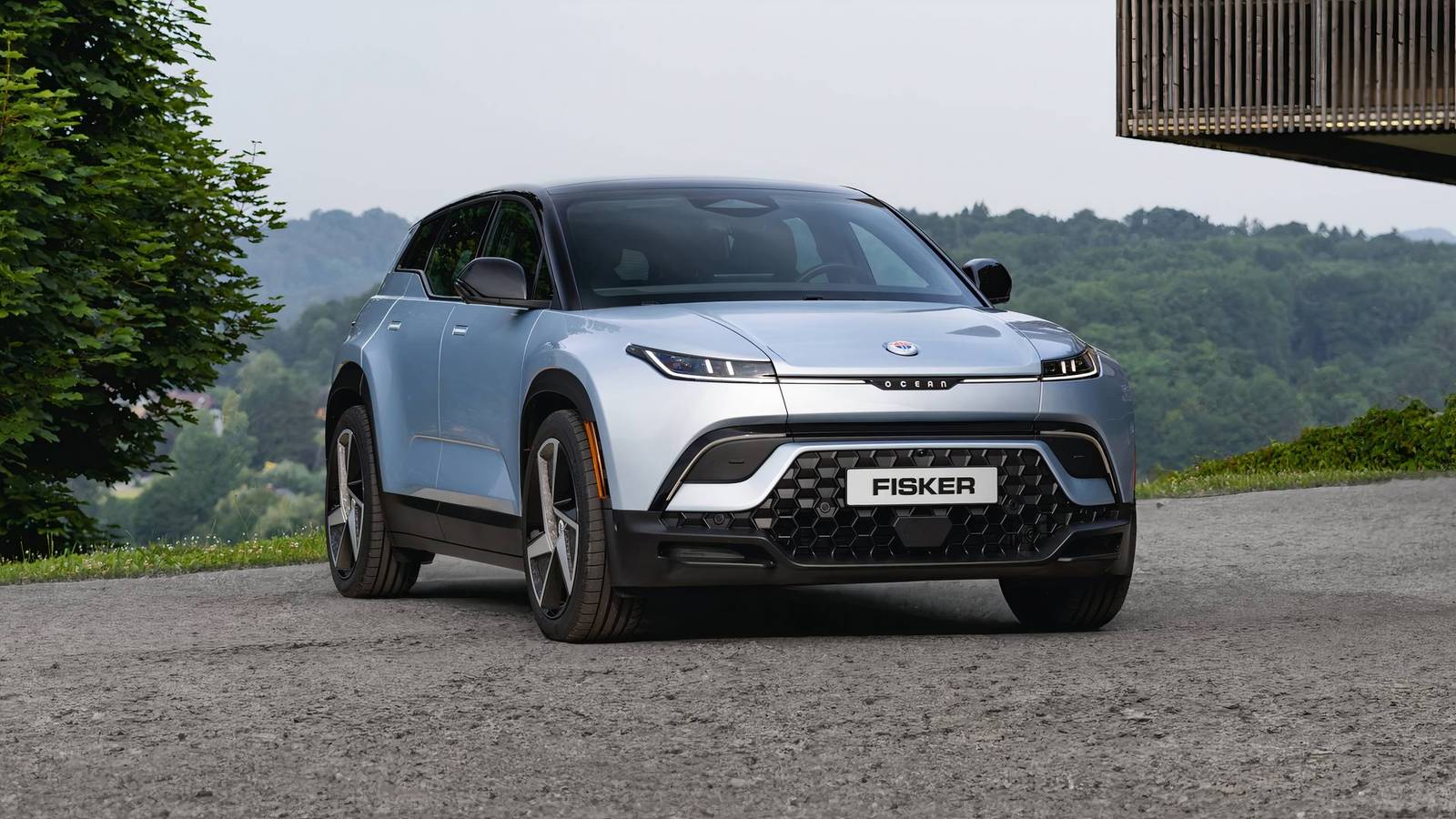
Key Fob Connectivity Failures and Driver Lockouts
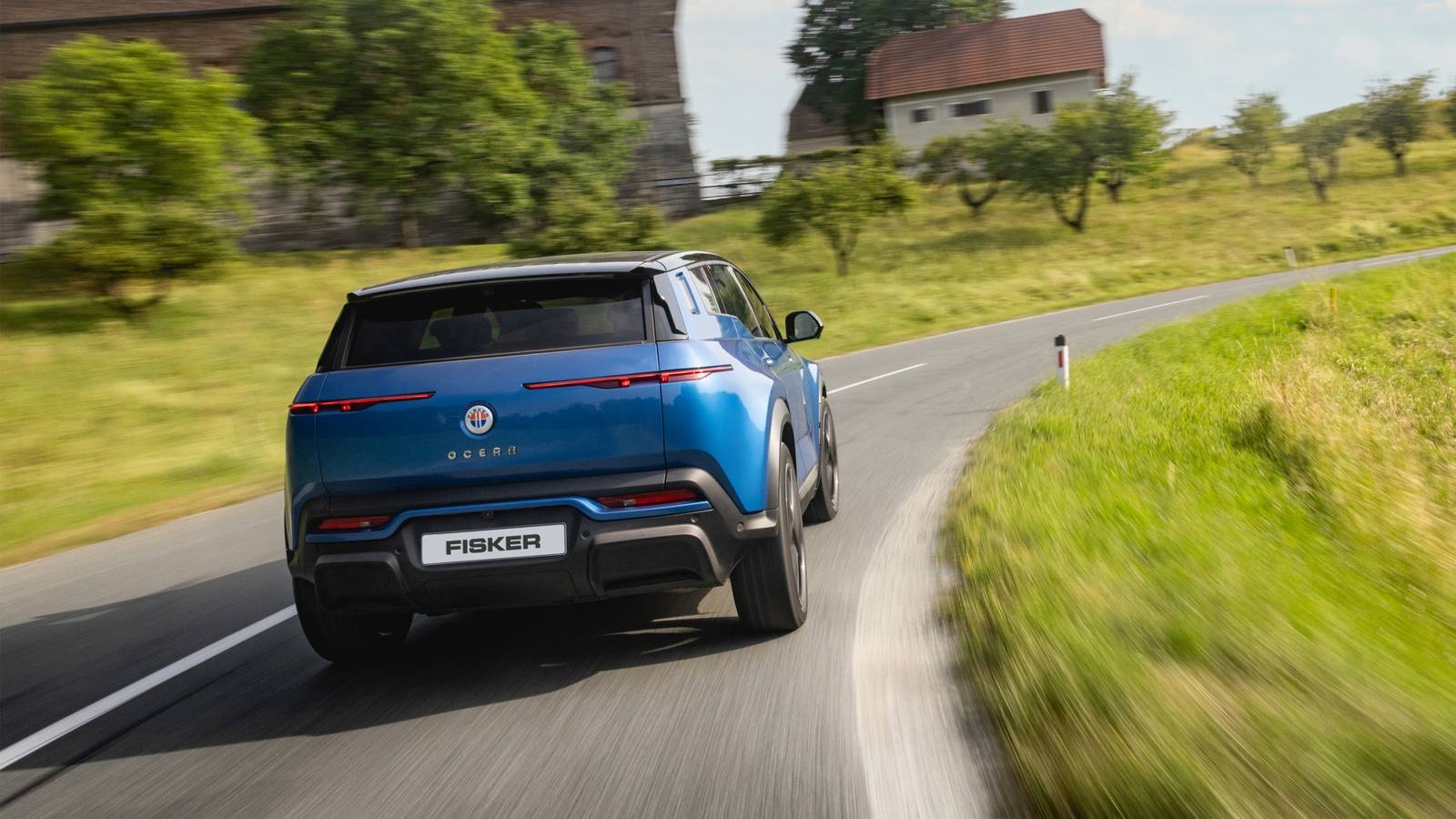
Sudden Motive Power Loss: The 'Safe State' Mode Trigger on Highways
The ‘Safe State’ Trap: Highway Shutdowns and MCU Logic Failures
The most dangerous defect the Fisker Ocean was not a mechanical breakdown a software panic attack known as “Safe State” mode. While infotainment glitches annoyed owners, the sudden loss of motive power on high-speed expressways presented a lethal threat. This specific failure mode originated from the Motor Control Unit (MCU) and Vehicle Control Unit (VCU) software. These systems frequently misinterpreted standard driving conditions as catastrophic hardware faults. The car’s computer would react by cutting torque instantly. The vehicle would then coast to a stop and shift into Park. This left drivers stranded in live traffic lanes without warning. NHTSA Recall 24V-404 officially acknowledged this defect in June 2024. The filing revealed that 100 percent of the 6, 864 recalled vehicles contained the flawed logic. Fisker admitted that the MCU and VCU software could trigger the “Safe State” protection mode during specific yet common scenarios. These triggers included wheel slip on icy surfaces or a rapid transition from deceleration to acceleration. The software simply could not process the change in torque demand fast enough. Instead of adjusting power delivery, the system shut down the electric motors entirely to prevent theoretical damage. Drivers reported terrifying experiences where the Ocean transformed from a functioning SUV into a rolling brick at highway speeds. One owner described an incident on the 405 freeway in Los Angeles where the vehicle lost all power in the center lane. The driver had to navigate across multiple lanes of heavy traffic with no throttle response. Service logs from Fisker showed the customer stating they “could have easily lost my life.” Another report detailed the car lurching and shaking before the screens went dark and the drivetrain disengaged. These were not anomalies. They were the result of a validation process that failed to account for real-world variables. The technical explanation for these shutdowns lies in the over-sensitivity of the fault monitoring system. The VCU monitors torque requests and energy flow between the high-voltage battery and the motors. When the software detected a variance outside its narrow, hard-coded parameters, it defaulted to the most extreme safety protocol available: total system shutdown. In traditional automotive engineering, a “limp mode” restricts power to allow the driver to exit the road safely. Fisker’s implementation frequently skipped the limp phase and proceeded directly to torque termination. The recall notice indicated that incorrectly triggered drive unit fault monitors could activate even when the driver checked power supply voltage or activated the rear disconnect clutch. This software fragility coincided with a hardware failure that produced identical symptoms. In July 2024, just weeks after the MCU recall, Fisker issued a second recall for 7, 545 vehicles due to water pump failures. The electric water pump responsible for cooling the battery management system (BMS) was prone to seizing. When the pump failed, the BMS would detect overheating or a loss of coolant flow. The system would then force the vehicle into a “Safe State” to protect the battery pack. This redundancy in failure modes meant that Ocean owners faced sudden power loss from two distinct sources. One was a software hallucination. The other was a physical component failure. Both resulted in the same dangerous outcome on the road. Fisker attempted to resolve the MCU logic flaw with the OS 2. 1 over-the-air update. The company claimed this patch modified the torque safety monitor thresholds to adapt to unique driving scenarios. Yet the timing of this remedy proved disastrous. The recall was announced the same week Fisker filed for Chapter 11 bankruptcy. This overlap created a chaotic environment where owners were unsure if their vehicles would receive the update before the company’s cloud services chance went offline. The reliance on OTA updates to fix fundamental safety defects exposed the peril of releasing “software-defined” vehicles before the code is finished. The “Safe State” defect shattered the remaining trust in the brand. A car that refuses to play music is a nuisance. A car that stops driving on an interstate is a liability. The frequency of these shutdowns contributed to the inventory stagnation that drained Fisker’s liquidity. chance buyers watched social media fill with videos of stranded Oceans awaiting flatbed trucks. The narrative shifted from software bugs to fundamental unreliability.
| Trigger Condition | System Response | Driver Consequence |
|---|---|---|
| Wheel Slip (Low Friction) | MCU detects traction loss variance beyond threshold. | Torque cut to zero. Vehicle coasts. |
| Regen-to-Accel Transition | VCU fails to process rapid torque reversal request. | Immediate loss of propulsion. |
| Drive Unit Fault Monitor | False positive detection of hardware voltage error. | “Safe State” activation. Gear shifts to Neutral/Park. |
| Water Pump Failure | BMS detects cooling loss (Recall July 2024). | Limp mode activation followed by shutdown. |
The investigation into these power losses also revealed the inadequacy of the driver notification system. When the Ocean entered “Safe State,” the dashboard frequently displayed a cascade of warning lights that offered no actionable information. Drivers saw alerts for braking failures, battery malfunctions, and ADAS errors simultaneously. This “Christmas tree” effect masked the root cause. It prevented the driver from understanding whether they had a flat tire, a dead battery, or a software crash., the only remedy was a “deep sleep” reset. This required the driver to lock the car, walk away for an extended period, and hope the modules would reboot correctly. This procedure is impossible to perform on the shoulder of a busy highway. The bankruptcy proceedings complicated the resolution of these safety defects. While Fisker pledged to continue sending OTA updates during the restructuring, the engineering teams responsible for validating these patches faced layoffs. The NHTSA closed its investigation into the power loss only after Fisker issued the recalls. Yet the agency noted that the bankruptcy did not absolve the manufacturer of its safety obligations. For the thousands of Ocean owners still on the road, the “Safe State” remains a dormant threat. It serves as a permanent reminder of a development pattern that prioritized speed over safety validation. The car was designed to protect itself from hypothetical damage. It failed to protect its occupants from the very real danger of stalling in fast-moving traffic.
Over-the-Air Update Failures and the Risk of 'Bricking' Vehicles
The ‘Software-Defined’ Trap: A Architecture Built on Sand
Fisker Inc. marketed the Ocean not as an electric vehicle as a “software-defined” platform, a smartphone on wheels that would evolve over time. This philosophy, popularized by Tesla, became Fisker’s fatal crutch. The company shipped vehicles with incomplete code, missing features, and dormant safety systems, assuring early adopters that Over-the-Air (OTA) updates would fill the gaps. This strategy relied on a flawless delivery method. If the pipeline for these updates failed, the car would remain permanently broken. For Fisker, the pipeline did not just clog; it shattered. The OTA system, intended to be the company’s salvation, became a primary vector for catastrophic vehicle failure, frequently leaving owners with “bricked” automobiles, inert, unresponsive 5, 000-pound paperweights that required physical towing to service centers that did not exist.
The core of this failure lay in the vehicle’s telematics architecture. The Ocean relied on a Telematics Control Unit, commonly referred to as the T-Box, to communicate with Fisker’s cloud servers via a 4G/LTE cellular connection. This module was the gateway for all incoming data. Investigative analysis reveals that the T-Box hardware was prone to freezing, severing the car from the network. When the T-Box locked up, the vehicle could not receive the “handshake” required to initiate or complete an update. Owners frequently reported that their vehicles would remain stuck on older software versions for months, even with newer firmware being available. To restore connectivity, users were forced to perform manual “hard resets” by physically pulling fuses from the cabin fuse box, specifically fuses related to the media control unit and telematics, a procedure that no consumer should ever have to perform on a modern luxury vehicle.
OS 2. 0: The Failed Savior
By February 2024, the pressure on Fisker was immense. The National Highway Traffic Safety Administration (NHTSA) had opened investigations into braking failures and roll-away incidents. Fisker promised that a massive software overhaul, Ocean OS 2. 0, would resolve these defects. This update was serious. It contained the “Auto Vehicle Hold” feature to prevent roll-aways, adjustments to the regenerative braking system to stop the “bump” glitch, and patches for the parasitic battery drain. The company marketed OS 2. 0 as the turning point that would stabilize the fleet.
The rollout of OS 2. 0 was a disaster. Because the update was so large, Fisker split it into three separate parts. This fragmentation increased the risk of failure exponentially. If Part 1 installed Part 2 failed, the vehicle could be left in a limbo state, with mismatched firmware across different electronic control units (ECUs). Reports flooded owner forums and NHTSA complaint logs describing vehicles that attempted the update and never woke up. The installation process required the vehicle to remain in a specific state of wakefulness for hours. During this time, the vehicle’s subsystems drew power from the 12-volt battery. In a properly designed system, the high-voltage (HV) traction battery keeps the 12-volt battery charged during such intensive operations. In the Ocean, software defects frequently prevented this DC-to-DC charging from activating reliably during the update sequence.
The result was a “dead 12-volt” scenario mid-update. As the low-voltage battery died, the write process to the ECUs would be interrupted, corrupting the firmware. This is the definition of “bricking.” The central touchscreen would go black or display a red error icon, the doors would refuse to unlock, and the drive unit would not engage. Because the software controlling the charging port was also affected, owners could not even charge the 12-volt battery to retry the process. The car was dead. This failure mode was not rare; it was a widespread oversight in the update logic that prioritized installation speed over power management safety checks.
The 10% Failure Rate and the Indigo Catastrophe
The bankruptcy filing in June 2024 did not end the software nightmare; it exacerbated the situation. As Fisker wound down operations, the support infrastructure collapsed. A transition plan involving American Lease, a New York-based company that purchased the remaining fleet, attempted to keep the servers running. A third-party firm, Indigo Tech, was contracted to deploy subsequent updates to keep the cars road-legal and functional. This effort, intended to rescue the remaining owners, resulted in one of the most egregious software failures in automotive history.
In mid-2025, an update pushed by this post-bankruptcy consortium resulted in a catastrophic failure rate. Data from the Fisker Owners Association (FOA) indicated that approximately 10 percent of the vehicles that attempted this specific update were bricked. Unlike previous failures where a physical 12-volt jump might restore function, these failures were deep-level corruptions of the Vehicle Control Unit (VCU). The cars were paralyzed. With Fisker’s service centers shuttered and the “flying doctor” technicians laid off, owners of these bricked vehicles had no recourse. The software that was supposed to fix the braking systems had instead removed the car’s ability to move entirely.
The Hardware-Software Mismatch
Investigative review of the Ocean’s internal architecture suggests that the OTA failures were not just bad code, the result of a fundamental mismatch between the hardware capabilities and the software demands. The Ocean used a distributed ECU architecture that required synchronous updates across multiple modules, brakes, powertrain, body control, and infotainment. If one module updated faster than another, or if the T-Box lost signal during the handshake, the version mismatch would trigger a “safe state” that locked the vehicle down. Legacy automakers spent decades refining these to ensure atomicity, meaning the update either happens 100 percent or rolls back to the previous state 100 percent. Fisker’s system absence a strong rollback method. Once the process started, there was no going back.
This architectural weakness meant that the “fix” for the braking problem discussed in previous sections became a gamble. Owners were faced with a dilemma: keep driving a car with dangerous braking defects, or attempt an update that might render the car useless. chose the update, trusting the manufacturer’s assurances, only to find themselves stranded. The NHTSA closed its investigations based on Fisker’s pledge of these OTA fixes, a regulatory oversight that left thousands of unsafe vehicles on the road when the updates failed to deploy successfully.
The Zombie Fleet
Following the bankruptcy and the disintegration of the partnership between the FOA and American Lease, the cloud servers were eventually restricted. This created a “zombie fleet” of vehicles. Without server access, the cars could not verify their credentials or receive further patches. The T-Box, constantly searching for a signal that no longer existed, would keep the vehicle awake, draining the battery in a futile loop. Owners resorted to pulling the cellular antenna fuses permanently to stop the drain, turning their “connected” smart cars into dumb, machines. The braking glitches remained unpatched in these units, frozen in time on whatever buggy software version was last successfully installed.
The OTA failure is the definitive evidence of Fisker’s incompetence. It demonstrates that the company did not understand the complexity of the systems it was selling. They treated the vehicle operating system like a smartphone app, ignoring the life-serious nature of automotive firmware. When a phone update fails, you lose a device. When a car update fails, you lose mobility, safety, and in Fisker’s case, the entire value of the asset. The bricking of the Fisker Ocean was not an accident; it was the inevitable result of rushing a software-defined vehicle to market without a validated method to define the software.
| Software Version | Release Date | Intended Fixes | Primary Failure Mode | Impact |
|---|---|---|---|---|
| Ocean OS 1. 11 | Dec 2023 | Bluetooth connectivity, 12V management | Installation stall at 90% | Vehicle stuck in “Update Mode,” requiring 12V battery replacement. |
| Ocean OS 2. 0 | Feb 2024 | Brake holding, torque split, solar viz | 12V drain during 3-part install | Widespread bricking; T-Box freeze requiring fuse pull; loss of key fob pairing. |
| Ocean OS 2. 1 | April 2024 | Safety recalls (warning lights) | Incomplete ECU writing | Instrument cluster failures; phantom braking triggers increased in units. |
| Post-Bankruptcy (Indigo) | May 2025 | Cloud connectivity patch | VCU Corruption | ~10% of updated fleet bricked; permanent loss of motive power. |
Unresponsive Interfaces: Infotainment Freezes and Instrument Cluster Blackouts
The Black Screen of Death: Blinded at Highway Speeds
The collapse of Fisker Inc. was not a financial failure a technical catastrophe, most visibly manifested in the Ocean SUV’s digital nervous system. While the braking faults presented a kinetic danger, the infotainment and instrument cluster failures introduced a psychological terror: the sudden, total loss of driver information at highway speeds. Owners frequently reported that the central touchscreen, the command center for nearly every vehicle function, would freeze or turn completely black, frequently accompanied by the digital instrument cluster extinguishing itself. In these moments, the driver lost access to the speedometer, range estimation, blind-spot monitoring, and serious warning lights, piloting a two-ton projectile blind to its own status. This defect was not a rare edge case. It became a defining characteristic of the ownership experience. The National Highway Traffic Safety Administration (NHTSA) received hundreds of complaints describing these blackouts. One owner described driving at 70 mph on a busy interstate when both screens went dark, leaving them with no indication of speed or battery level. The only remedy offered by Fisker support was a “soft reset”, a procedure requiring the driver to hold down two buttons on the steering wheel for an extended period until the system rebooted. This ritual became so common that forums and Reddit communities treated it as standard operating procedure, with owners advising each other on how to perform a computer reboot while navigating traffic.
Centralized Paralysis: The HVAC and Mirror Trap
Fisker’s decision to centralize almost all physical controls into the software interface turned minor glitches into functional paralysis. Unlike traditional vehicles where air vents and mirrors are adjusted manually, the Fisker Ocean relied on electric motors controlled via the touchscreen. When the software froze, the driver lost the ability to adjust the side mirrors or redirect airflow. This “Tesla-like” minimalism, intended to signal modernity, instead created a safety hazard. If the screen locked up while the mirrors were folded or the vents were closed, they stayed that way. The air vent method itself proved to be a hardware-software disaster. The system used plastic gears to aim the “Taco Tray” vents, controlled by a software slider on the screen. A calibration error in the software frequently over-torqued these motors, stripping the plastic gears and leaving the vents permanently stuck, frequently accompanied by a loud, rhythmic clicking noise that owners dubbed the “death rattle.” Fisker issued a technical service bulletin (TSB) to address this, for, the fix came too late. The reliance on complex code to perform simple mechanical tasks meant that a software bug didn’t just annoy the driver; it physically broke the car’s interior components.
The Phantom Updates: Ocean OS 2. 0 and Broken pledge
Throughout late 2023 and early 2024, Fisker executives promised that the over-the-air (OTA) update would resolve these stability problems. The release of “Ocean OS 2. 0” was marketed as a detailed fix, yet reports of screens freezing even after the update., the update process itself bricked the modules, requiring a technician to physically replace the telematics box (T-Box) or the 12-volt battery. The software architecture appeared fundamentally unstable, likely due to poor integration between the Magna-supplied platform and Fisker’s proprietary UI. The instrument cluster failures eventually triggered a formal recall. In early 2024, Fisker recalled thousands of units because the instrument panel failed to display warning lights with the correct font size and color required by federal safety standards. More worrying, the recall notice admitted that the screen could fail to illuminate entirely. This regulatory action confirmed what owners already knew: the vehicle was non-compliant with basic safety laws from the moment it left the factory. The “California Mode”, a party trick that lowered all windows and the rear glass simultaneously, worked reliably, while the speedometer did not. This prioritization of gimmicks over basic functionality exemplified the company’s disordered engineering culture.
Consumer Reports and the “Inexcusable” Verdict
The severity of these interface failures was immortalized by *Consumer Reports*, which purchased a Fisker Ocean for testing. The publication experienced consistent screen freezes, blind-spot monitor failures, and safety system warnings that and reappeared at random. Their review described the car as “unfinished” and “inexcusable,” noting that the software quality was worse than pre-production prototypes they had tested from other manufacturers. The review highlighted a specific incident where the blind-spot monitoring system failed without alerting the driver, a “silent failure” that directly imperiled safety. This public undressing by a trusted testing body destroyed what remained of Fisker’s reputation. The narrative shifted from “teething pains” to “fundamentally broken.” For a “software-defined vehicle,” the inability to keep the screens on was a terminal diagnosis. It signaled to the market that Fisker did not possess the technical competence to maintain a modern automotive operating system. As the company spiraled toward Chapter 11, the black screens became a metaphor for the enterprise itself: unresponsive, disconnected, and, dark.
Internal Knowledge: Ignored Warnings of Braking and Power Defects
Internal Knowledge: Ignored Warnings of Braking and Power Defects
While Fisker Inc. publicly projected an image of a revolutionary EV startup poised to disrupt the automotive hierarchy, the internal reality was a chaotic scramble to conceal serious engineering flaws. Investigations into the company’s collapse reveal that the braking failures and sudden power loss incidents contributing to its Chapter 11 bankruptcy were not unforeseen anomalies known defects. Internal documents, whistleblower accounts, and leaked communications show that engineers and lower-level employees repeatedly warned executive leadership about the immaturity of the Fisker Ocean’s software and hardware. These warnings were frequently minimized or ignored by a management team, led by Henrik Fisker and Geeta Gupta-Fisker, that prioritized delivery over vehicle safety.
The “Fisker Fairy Tale”: A Culture of Silenced Dissent
Former employees have described a corporate environment frequently referred to as the “Fisker Fairy Tale,” where bad news was systematically filtered out before reaching the C-suite. This toxic positivity created a dangerous disconnect between the engineering reality and the executive timeline. In 2022, well before the Ocean SUV was delivered, internal voices raised alarms that the vehicle’s software was nowhere near production-ready. One prescient warning from a staff member explicitly stated that the company was hyper-focused on building the physical car while neglecting the operational and software infrastructure required to support it. Instead of heeding these cautions, leadership accelerated the launch schedule.
The desperation to meet delivery numbers resulted in scenes of frantic improvisation. Reports from TechCrunch and Business Insider exposed that in June 2023, just days before the US deliveries, staff were ordered to cannibalize parts from pre-production vehicles, and even from Henrik and Geeta’s personal cars, to fix defects in customer vehicles. Components such as door handles, seat sensors, and 12-volt batteries were swapped into saleable units to mask failures. This “robbing Peter to pay Paul” strategy was emblematic of a broader refusal to acknowledge that the supply chain and quality control systems were broken.
Concealing the Regenerative Braking “Bump”
The most damning evidence of ignored warnings concerns the Ocean’s braking system. Publicly, Fisker Inc. maintained that the braking system met all safety standards. Privately, the engineering team was with a dangerous flaw in the regenerative braking software. Internal documents revealed that the company was aware of a defect where the regenerative braking would momentarily cut out when the vehicle hit a bump or low-traction surface. This interruption, lasting approximately 740 milliseconds, caused a sudden loss of deceleration that drivers perceived as acceleration, a terrifying sensation that increased stopping distances.
Although Fisker eventually issued a recall for this problem in 2024, internal communications suggest knowledge of the problem existed much earlier. When the National Highway Traffic Safety Administration (NHTSA) began receiving complaints, Fisker’s initial response was to downplay the severity, attributing the behavior to the “blended braking” function. yet, engineers had identified that the drag torque control software was over-sensitive to road disturbances. even with this internal clarity, the company continued to deliver vehicles with the flawed software, relying on the pledge of a future Over-the-Air (OTA) update (version 1. 10 and later 2. 0) to patch a safety-serious system that should have been validated before a single customer took the wheel.
The 12-Volt Battery Drain: A Known Vampire
Simultaneous with the braking defects, the Fisker Ocean suffered from a catastrophic parasitic battery drain that left owners stranded. The root cause was the vehicle’s inability to “sleep” properly; various control units would remain active, drawing power from the small 12-volt battery until it died, rendering the high-voltage EV battery useless. Internal documents reviewed by industry investigators showed that Fisker was tracking hundreds of “loss-of-power” incidents months before the bankruptcy filing. The data pointed to a widespread failure in the energy management software.
Management’s public stance was that these were incidents or user errors. Internally, yet, the scope of the problem was undeniable. The 12-volt battery problem were so prevalent that employees were instructed to carry jump-starter packs when moving vehicles. The decision to ship cars with known energy management bugs was a calculated risk. Executives banked on the ability to fix the “vampire drain” via OTA updates, a gamble that failed when the updates themselves caused further instability or failed to install due to the very low-voltage conditions they were meant to fix.
The “Safe State” Trap
Another serious defect known to internal teams was the vehicle’s tendency to enter a “Safe State” or “Limp Mode” aggressively. The software designed to protect the powertrain was calibrated with zero tolerance for sensor noise, causing the car to shut down motive power completely if it detected even minor anomalies. This resulted in vehicles stalling at highway speeds or in intersections. Engineers were aware that the fault detection logic was too sensitive, yet the pressure to ship “feature-complete” vehicles meant that strong fail-safe testing was curtailed. The result was a fleet of SUVs that would cut power to the wheels to “protect” the system, paradoxically placing the occupants in immediate physical danger.
Leadership vs. Engineering
The tragedy of Fisker’s engineering failures lies in the centralization of decision-making. Henrik Fisker, a celebrated designer, and Geeta Gupta-Fisker, the CFO/COO, held tight control over the company’s operations. Former employees allege that the husband-and-wife duo frequently overruled engineering concerns in favor of preserving the stock price and brand image. The “asset-light” business model, which relied heavily on contract manufacturer Magna Steyr, further complicated matters. While Magna built the hardware, the software integration was largely Fisker’s responsibility. When bugs were found, the disconnect between the California-based software teams and the Austrian manufacturing lines exacerbated the delays. Instead of pausing deliveries to resolve the serious braking and power defects, the directive remained constant: ship the cars, fix them later.
| Date | Internal Event/Knowledge | Public Action/Statement |
|---|---|---|
| Late 2022 | Employee warns of operational and software immaturity; absence of readiness for launch. | Fisker reaffirms production; stock promotion continues. |
| June 2023 | Staff cannibalize parts from personal/pre-production cars to fix customer units. | US deliveries celebrated; “milestone” press releases issued. |
| Dec 2023 | Engineers confirm regenerative braking “bump” defect and 12V drain causes. | Fisker claims problem are rare; pledge OTA fix (v1. 10) to NHTSA. |
| Feb 2024 | Internal docs show 100+ known “loss of power” incidents. | Fisker tells TechCrunch/media that problems are resolved. |
| June 2024 | Bankruptcy filing; internal chaos exposed. | Company cites “macroeconomic headwinds” rather than defects. |
The Ocean OS 2.0 Update: Incomplete Fixes and New Software Bugs
The Ocean OS 2. 0 Update: Incomplete Fixes and New Software Bugs
By February 2024, Fisker Inc. faced an existential emergency. With its stock price plummeting and NHTSA investigations mounting, the company marketed the “Ocean OS 2. 0” over-the-air (OTA) update not as a patch, as a major overhaul essential for the vehicle’s survival. Executives promised this massive software release would resolve the persistent braking failures, curb the parasitic battery drain, and deliver the “complete” vehicle owners had paid for. Instead, the rollout exposed the depth of Fisker’s software incompetence, delivering a package that failed to fix serious safety defects while introducing a fresh plague of regressions that left vehicles immobilized or functionally degraded.
The Braking “Fix” That Wasn’t
The centerpiece of the OS 2. 0 pledge was the resolution of the regenerative braking “bump” glitch, a terrifying defect where the vehicle would momentarily lose deceleration when hitting uneven pavement. Fisker explicitly claimed in press releases that OS 2. 0 (and the preceding 1. 10 patch) optimized the regenerative system to handle low-traction surfaces. This claim was demonstrably false. Post-update data and owner reports confirmed that the core safety hazard remained active. While the update adjusted the torque split from 50: 50 to 45: 55 to improve handling, it did not eliminate the signal interruption between the motor controllers and the friction brakes. The “bump” defect, with the system still requiring a dangerous 740-millisecond transition period to engage mechanical brakes after a loss of regenerative traction. This three-quarter-second delay, an eternity in emergency braking scenarios, continued to plague the fleet long after the OS 2. 0 installation. The failure of this update to rectify the problem was so absolute that it necessitated yet another recall (OS 2. 2) months later in August 2024, proving that the February “fix” was little more than a placebo for a hardware-software integration failure Fisker could not solve.
The Three-Part Rollout Disaster
Fisker’s inability to execute a direct update process turned the installation of OS 2. 0 into a game of Russian roulette for owners. Unlike standard industry OTAs that install as a single package, Fisker fractured OS 2. 0 into three separate distinct parts, requiring a sequential installation process that spanned weeks. This fragmentation created a chaotic environment where vehicles ran on mismatched firmware versions, leading to unpredictable behavior. The installation of “Part 2” proved particularly catastrophic. This specific sequence frequently triggered a fatal error in the 12-volt charging logic during the update process. Instead of maintaining the low-voltage battery from the high-voltage pack, the update sequence allowed the 12-volt battery to drain completely before the software could finish writing. The result was a wave of “bricked” Oceans, vehicles that were completely unresponsive and required physical intervention. Because Fisker had already gutted its service network, owners with bricked cars faced indefinite wait times. Mobile technicians, overwhelmed by the volume of failures, were forced to travel with jump packs and laptops to manually revive dead vehicles one by one. For owners, the “upgrade” resulted in a tow truck rather than new features.
New Glitches and Feature Regressions
For the vehicles that survived the installation, OS 2. 0 introduced a suite of baffling new defects that degraded the user experience. The update, intended to add features, actively removed serious data visibility.
| System | Pre-Update Status | Post-OS 2. 0 Status |
|---|---|---|
| Trip Computer | Displayed efficiency (mi/kWh) and total consumption. | Data Removed: Efficiency metrics, leaving drivers with no way to track energy usage. |
| Charging Logic | Standard amperage negotiation. | Erratic Limits: Charge limits fluctuated wildly, frequently resetting to 102% or dropping to 6 amps without user input. |
| California Mode | Opened all windows, including rear “doggie” windows. | Partial Failure: Rear glass and quarter windows frequently failed to respond or closed independently. |
| Key Fob | Intermittent connectivity. | Update Failure: The dedicated NFC update for the fob frequently failed to install, leaving the hardware on legacy firmware incompatible with the car’s new OS. |
The “SolarSky” roof, a premium feature on the Extreme trim, received a new visualization graphic in the infotainment center. Yet, this cosmetic addition mocked owners as the actual solar charging data proved inaccurate or entirely absent. also, the promised Adaptive Cruise Control (ACC)—a standard safety feature on basic economy cars—remained “unavailable” in the release notes. even with charging customers thousands of dollars for the package, Fisker admitted the software was still not ready, leaving the “hardware-equipped” vehicles with fewer driver-assist capabilities than a decade-old sedan. The OS 2. 0 update served as the final indictment of Fisker’s software-defined vehicle strategy. By releasing a serious update that bricked cars, ignored safety defects, and deleted functioning features, the company demonstrated it had lost control of its own code. The update did not save the Ocean; it accelerated the of owner trust just as the company spiraled toward bankruptcy.
NHTSA Investigation PE24013: Probing the Loss of Braking Performance
The regulatory encirclement of Fisker Inc. tightened dramatically in the half of 2024, culminating in a series of federal probes that exposed the fundamental instability of the Ocean SUV’s braking architecture. While the company grappled with internal liquidity crises and a collapsing stock price, the National Highway Traffic Safety Administration (NHTSA) launched a formal inquiry that would serve as a definitive indictment of the vehicle’s safety. Investigation PE24013, opened by the Office of Defects Investigation (ODI) on May 8, 2024, focused on the “Inadvertent Automatic Emergency Braking” of the 2023 Fisker Ocean, a defect that represented the chaotic inverse of the braking failures investigated earlier in the year. Where the previous probe (PE24001) addressed the vehicle’s refusal to stop on low-traction surfaces, PE24013 examined its tendency to stop violently and without cause, creating a perilous driving environment that shattered the remaining trust of the consumer base.
The Preliminary Evaluation: PE24013
The opening of Preliminary Evaluation PE24013 marked a serious escalation in the federal oversight of Fisker’s operations. The investigation was triggered by a cluster of eight formal complaints submitted to the ODI, alleging that the Ocean’s Automatic Emergency Braking (AEB) system was activating in the absence of any roadway obstruction. These were not minor glitches or gentle decelerations; the complaints described “sudden vehicle deceleration” ranging from momentary speed loss to full, panic-induced stops in the middle of active traffic lanes. The ODI Resume for PE24013 noted that these events occurred “without adequate warning or input from the driver,” placing both the vehicle occupants and surrounding traffic in immediate danger. Of the eight initial complaints that sparked the probe, three alleged that the phantom braking events resulted in actual injuries, a severity rate that demanded immediate federal intervention.
The timing of PE24013 was catastrophic for Fisker. Opened just weeks before the company’s Chapter 11 filing, the investigation targeted a population of approximately 6, 813 vehicles, essentially the entire delivered fleet in the United States at that time. The probe highlighted a defect in the “Smart Traction” and ADAS (Advanced Driver Assistance Systems) suite, which relied on a fusion of camera and radar data to identify risks. In the case of the Ocean, this sensor fusion appeared to be generating false positives, interpreting clear roads, shadows, or distant overhead signs as imminent collision threats. The system would then override the driver’s throttle input and slam on the brakes, a behavior known in the industry as “phantom braking.” For a company already fighting allegations of software incompetence, the that its safety systems were actively causing accidents was a reputational death blow.
The Precursor: Investigation PE24001
To fully understand the weight of PE24013, one must examine it in the context of the earlier investigation, PE24001, which had been opened on January 11, 2024. This earlier probe focused on the “Loss of Braking Performance,” a terrifying failure mode where the vehicle’s regenerative braking system would disengage when hitting a bump or low-traction surface. The ODI Resume for PE24001 nine complaints alleging a “partial loss of braking” that resulted in a “sudden increase in stopping distance.” Drivers reported that when the car transitioned from regenerative braking to friction braking over a pothole or metal plate, the vehicle would surge forward, creating a sensation of acceleration.
The existence of these two simultaneous investigations painted a picture of a braking system that was fundamentally broken at both ends of the performance spectrum. In January, the government was investigating why the car wouldn’t stop. By May, they were investigating why it wouldn’t go. This duality exposed a deep-seated flaw in the software logic governing the Ocean’s drive control units. The integration between the regenerative motors and the hydraulic friction brakes, a complex handshake required in all EVs, was being mishandled by the vehicle’s central computer. The result was a driving experience defined by unpredictability, where the car’s behavior was dictated not by driver input, by the erratic decisions of a buggy software stack.
Consumer Testimony and the “Safe State” Failure
The complaints filed under PE24013 offered harrowing accounts of the defect in action. Drivers described driving at highway speeds on clear interstates, only to have the car sound a collision alarm and initiate a full emergency stop. In one documented instance, a driver reported being rear-ended after the vehicle slammed on the brakes in fluid traffic. Another owner described the car coming to a dead halt in an intersection, leaving them stranded and to cross-traffic. These incidents were frequently accompanied by a cascade of warning lights on the dashboard, indicating a system-wide fault that forced the vehicle into a “safe state”, a misnomer, given that the sudden loss of motive power on a highway is inherently unsafe.
Fisker’s response to these incidents was frequently slow and technically vague. Service technicians, when they could be reached, frequently attributed the problem to “software calibration” or dirty sensors. yet, the persistence of the problem across the fleet suggested a widespread failure in the ADAS perception algorithms. The software was too sensitive, absence the necessary filtering to distinguish between a real obstacle and a digital ghost. In a mature automotive company, such calibration is refined over millions of miles of validation testing. Fisker, in its rush to deliver the Ocean, appeared to be conducting this validation in real-time on public roads, using paying customers as test pilots.
Regulatory Pressure During Insolvency
The launch of PE24013 complicated Fisker’s desperate attempts to secure a strategic partnership or buyout. chance investors, conducting due diligence, were confronted with a federal investigation that carried the threat of a massive, costly recall. The ODI’s “Preliminary Evaluation” is the step in a process that can lead to a mandatory recall if the manufacturer does not voluntarily address the defect. For a cash-strapped company like Fisker, the prospect of recalling and fixing nearly 7, 000 vehicles, chance requiring hardware replacements if the software fix proved insufficient, was a financial liability it could not sustain.
also, the investigation signaled to the market that the Ocean’s problems were not “teething problem” or infotainment glitches, safety-serious defects. The NHTSA’s involvement stripped away the marketing veneer of the “software-defined vehicle” and exposed the reality of the engineering shortcuts taken. The agency’s data showed that the Ocean’s braking system was non-compliant with the basic expectations of vehicle safety standards, which require predictable and reliable deceleration. The “loss of braking performance” in the user’s prompt title serves as an umbrella term for this total collapse of the braking system’s integrity, whether through the failure to brake (PE24001) or the failure to not brake (PE24013).
The Technical Aftermath
Following the opening of these investigations, Fisker attempted to mitigate the damage through Over-the-Air (OTA) updates, specifically the Ocean OS 2. 0 and subsequent patches. The company claimed that these updates would “tune” the regenerative braking blending and desensitize the AEB system. yet, reports even after the updates, indicating that the root cause lay deeper in the vehicle’s electronic control unit (ECU) architecture or the specific hardware integration of the braking components. The “blended braking” function, which manages the handoff between the electric motor’s resistance and the physical brake pads, remained a point of failure.
By the time the NHTSA escalated its scrutiny, the damage was irreversible. The investigations validated the fears of early adopters and provided concrete evidence for the class-action lawsuits that were beginning to pile up. The “Loss of Braking Performance” became the defining technical failure of the Fisker Ocean, a symbol of a vehicle that was released before it was finished. When the company filed for Chapter 11 protection, the open NHTSA investigations remained as active liabilities, ensuring that the saga of the Ocean’s braking failures would continue to haunt the liquidation process and the remaining fleet of orphaned vehicles.
| Investigation ID | Date Opened | Subject | Scope (Vehicles) | Key Allegation |
|---|---|---|---|---|
| PE24001 | Jan 11, 2024 | Loss of Braking Performance | ~4, 000 | Partial loss of braking on low-traction surfaces; “acceleration” sensation. |
| PE24013 | May 8, 2024 | Inadvertent AEB Activation | ~6, 813 | Phantom braking; sudden stops without obstruction; 3 alleged injuries. |


































